More than 1M eggs of critically endangered Houston toad released
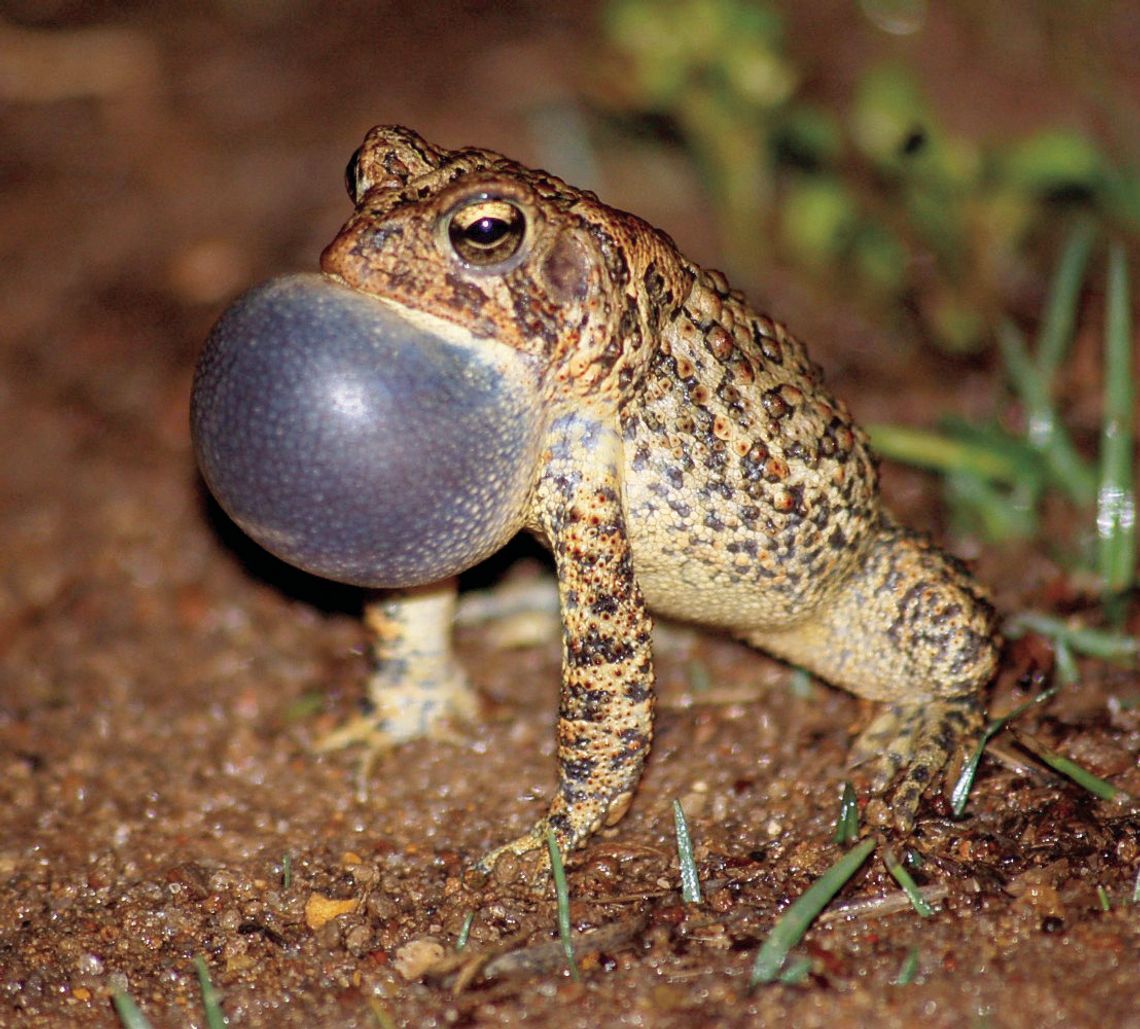
Officials have recently released more than 1 million Houston toad eggs into Bastrop State Park to help restore the species that vanished from the area after the 2011 Complex Wildfire.
The Texas Parks and Wildlife Department partnered with the Houston Zoo, Amphibian and Reptile Conservancy and U.S. Fish and Wildlife Service on the release. The move marks the first step in a yearslong effort and reintroduction strategy officials hope will establish a permanent population.
“The Bastrop State Park used to be one of the epicenters of Houston toad life and activity for the longest time,” said TPWD herpetologist Paul Crump. “After the 2011 fire, the toad sort of declined slowly over the next five years, to the point where 2016 was the first time they weren’t detected in the history of Bastrop State Park.”
A TOAD IN NEED
Previous reintroduction attempts in 2015 and 2019 were largely unsuccessful, but Crump said new research and more than a decade of habitat restoration have improved the odds.
Prescribed burns and fuel reduction projects have lowered the risk of catastrophic wildfires and helped restore native habitats, according to officials.
“The sustained release where you focus for at least five years or so on two ponds is the best way to get the population up and going again,” he said. “We’re really optimistic about the way things are going.”
The Houston toad was listed as a federally endangered species in 1970 due to habitat destruction, fragmentation and urban development. The only toad species native exclusively to Texas, it primarily inhabits sandy soils within loblolly pine forests and post oak savannahs.
Bastrop County was designated a critical habitat area for the species.
“We’re really optimistic about the way things are going.”
— Paul Crump, herpetologist
FROM THE ASHES
Crump said the ecosystem’s dependence on fire is central to the restoration strategy.
“This ecosystem that makes up the Lost Pines and the surrounding areas is dependent upon disturbances like fire,” he said. “We want more regular, lower-intensity prescribed fires more than we want those high-intensity, crazy wildfires.”
Private landowners will also play an important role in long-term toad recovery, according to officials.
The TPWD continues to work with landowners across the toad’s native range on restoration, fuel mitigation and habitat management.
“We cannot recover the toad without engaging the private landowners,” Crump said.
TRACKING RIBBITS
Researchers will monitor progress primarily through nocturnal surveys tracking adult toad calls during breeding season, which typically runs January through June.
“For the park, it’s pretty easy to conclude that any toads that we hear next year and the following years are the results of our captive breeding,” Crump said.
Officials aim for the park to eventually support hundreds of Houston toads again, similar to population levels seen before the 2011 wildfire.