.png)

Funding to improve maternal health services
BASTROP — Five of nine St. David’s Foundation grants totaling almost $5 million are going toward local initiatives helping fund maternal health services.
The funding, announced April 13 in conjunction with Black Maternal Health Week, is aimed at addressing barriers to care for areas designated health deserts. Local recipients said access to care remains limited for many pregnant women in Bastrop County, where patients are often left without timely or consistent options.
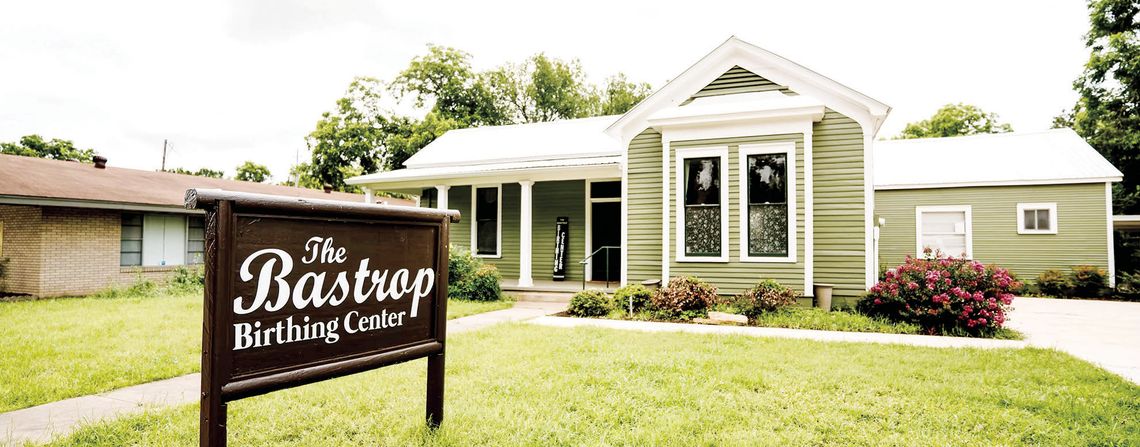
“There has never been a facility where you could have a baby out in Bastrop,” said Ellie Tisdale, who opened The Bastrop Birthing Center in 2018. “It’s me or they drive to Austin.”
Area representatives said the funding comes at a critical time for the county. A total $4.6 million in grant funding will support programs including transportation, doula services, nutrition assistance, mobile care units and home visits, all built to improve outcomes for mothers and infants.
A NEW APPROACH
Recipients across Central Texas will address those gaps by building a community- based system of care. Organizers said plans will focus on culturally responsive and holistic approaches, particularly for
“Healthcare can look different for different individuals — it’s not a one size fits all.”
— Tresha Silva, Bastrop County Emergency Food Pantry populations disproportionately affected.

“I’m getting people who haven’t had prenatal care their entire pregnancy,” Tisdale said.
Other recipients are focusing on addressing non-medical barriers to care.
Tresha Silva, CEO of the Bastrop County Emergency Food Pantry, said the local food haven will focus on nutrition as part of a broader partnership with Chosen Women Empowered.
“Our model is really understanding and approaching food insecurity with a holistic approach,” Silva said. “We’re going to be focused on how to support new mommies and mommies-to-be with nutritious food and nutrition workshops.”
The partnership pairs food access with medical and social support through Chosen Women’s maternal health program, which includes doula, remote monitoring and transportation assistance.
“Transportation is a must in rural Texas,” said founder Chevalier Deshay. “Now moms can get to appointments, the grocery store or pharmacy without worrying how.”
LOCAL BARRIERS
Both Silva and Deshay say transportation, education and trust are sticking barriers in Bastrop County. While the area has seen recent growth in medical providers, many residents still seek care outside the county.
“Educating and building community with the mothers that we’re going to be working with gives them strength and empowers them to have their voice at the table and feel comfortable,” Silva said.
Disparities are also seen in maternal outcomes. Silva noted Black mothers face higher rates of low birth weight and postpartum complications, highlighting the need for targeted care.
“Healthcare can look different for different individuals — it’s not a one size fits all,” Silva said. “(That’s) what I love about this project and this initiative.”
Tisdale said the funding will help expand services to women who otherwise could not afford care, though she emphasized broader changes are still needed, including a local delivery facility.
“This is going to help me support 30 women over the course of two years — that’s a very small fraction of what Bastrop County actually needs,” she said. “Until we get a hospital where people can have babies, we’re going to be suffering.”
For now, recipients say the grants represent a significant step forward in addressing maternal health challenges in the region.
Organizations will record results and measure the program’s success with new information on complications and healthier births.
“Hopefully this turns into a ripple effect that brings the county the resources and support that it needs,” Tisdale said.