.png)

A new wastewater treatment technology that can produce reusable water may soon help Bastrop address an under-performing treatment plant and meet stricter environmental standards.
City Manager Sylvia Carrillo-Trevino told council March 24 upgrading Wastewater Treatment Plant No. 3 would allow treated discharge to be reused for irrigation or commercial purposes. The move would also bring the facility into compliance with new Texas Commission on Environmental Quality phosphate limits.
“It is a smart approach to keep the drinking water to the residents and keep treated effluent for industry,” Carrillo-Trevino said. “If I can treat wastewater and put it back to use, we begin to rely less on the aquifer and put less strain on the water supply.”
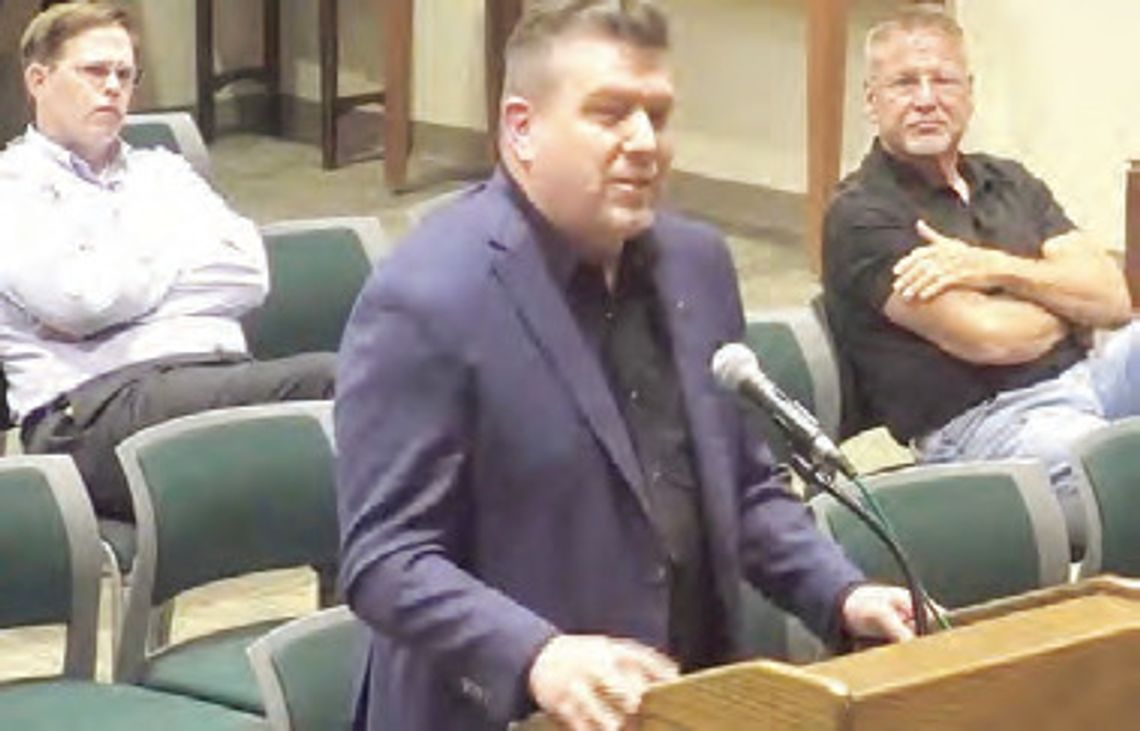
The proposed system from Austin-based company Vvater uses a Faraday reactor, which applies low electric pulses to disinfect water without filters or membranes. Officials said the process eliminates microorganisms at the cellular level, producing water that can be safely reused.
Carrillo-Trevino said the system would cost about $5 million, funded through a combination of water or wastewater funds and an increased bond issuance tied to the plant’s expansion. She estimated traditional upgrades to meet discharge standards would cost between $1.8 million and $2.7 million, but without improvements the plant risks becoming obsolete.
Mayor Ishmael Harris, who has more than two decades of experience in the wastewater industry, stressed the importance of staff training.
“Ideally what I would like is our staff to be able to learn the equipment, so we don’t have to rely on (Vvater),” he said.
Harris cited a need for redundancy in order to keep any service interruptions and downtime to a minimum.
“Texas has a different effect on equipment. I’ve seen it for years and years. We definitely need to make sure this product is going to withstand,” Harris said.
Vvater’s system operates without harsh chemicals, membranes, filters, or biological media, eliminating the common sources of waste and maintenance in conventional treatment.
Vvater CEO Kevin Gast said technologies using membranes have experienced the effects Harris mentioned, but his process does not have membranes or filters that can rust, clog or deteriorate.
Council directed staff to begin negotiations with Vvater to upgrade the plant using the new technology.